Keeping a car looking sharp in New Jersey can feel like a constant battle against weather and road grime. Salted winter roads work corrosion into places you never see, and hot summers fade paint and dry out interiors. This guide covers when and why regular detailing matters here, so your vehicle stays protected and looking good all year.
In New Jersey, most drivers should detail their car every 3 to 6 months depending on driving habits and exposure to seasonal weather like salt, snow, sun, and rain. Regular
car detailing protects paint and interior surfaces from the conditions common across the region and helps a vehicle hold its appearance and value.
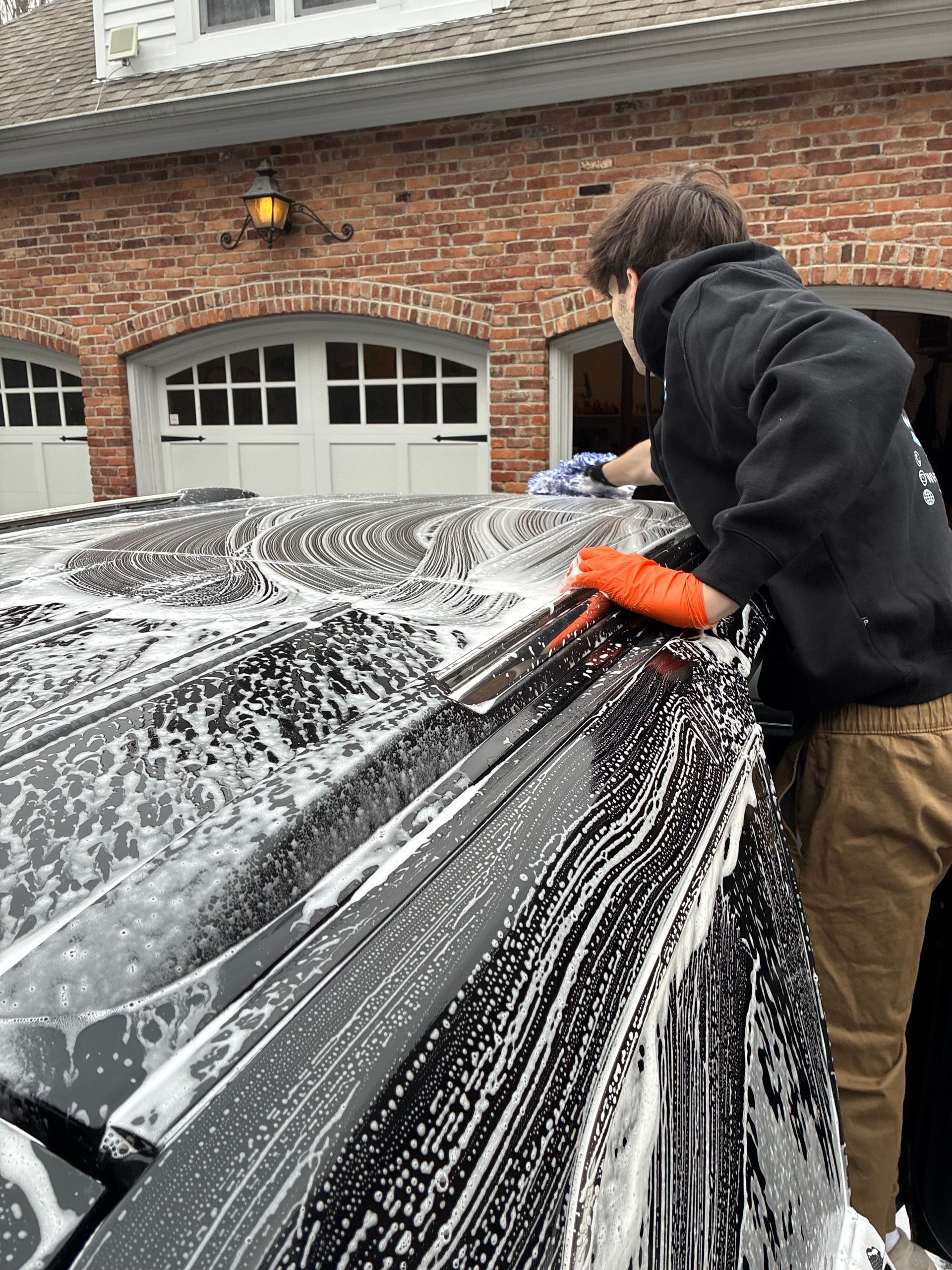
How New Jersey Weather Wears Down Your Vehicle
Winter is the first real test. Road crews across the state rely heavily on salt and brine to keep highways drivable, and that salt does not simply rinse away. It settles along the undercarriage, inside wheel wells, and in the seams and tight areas where it sits directly against metal.
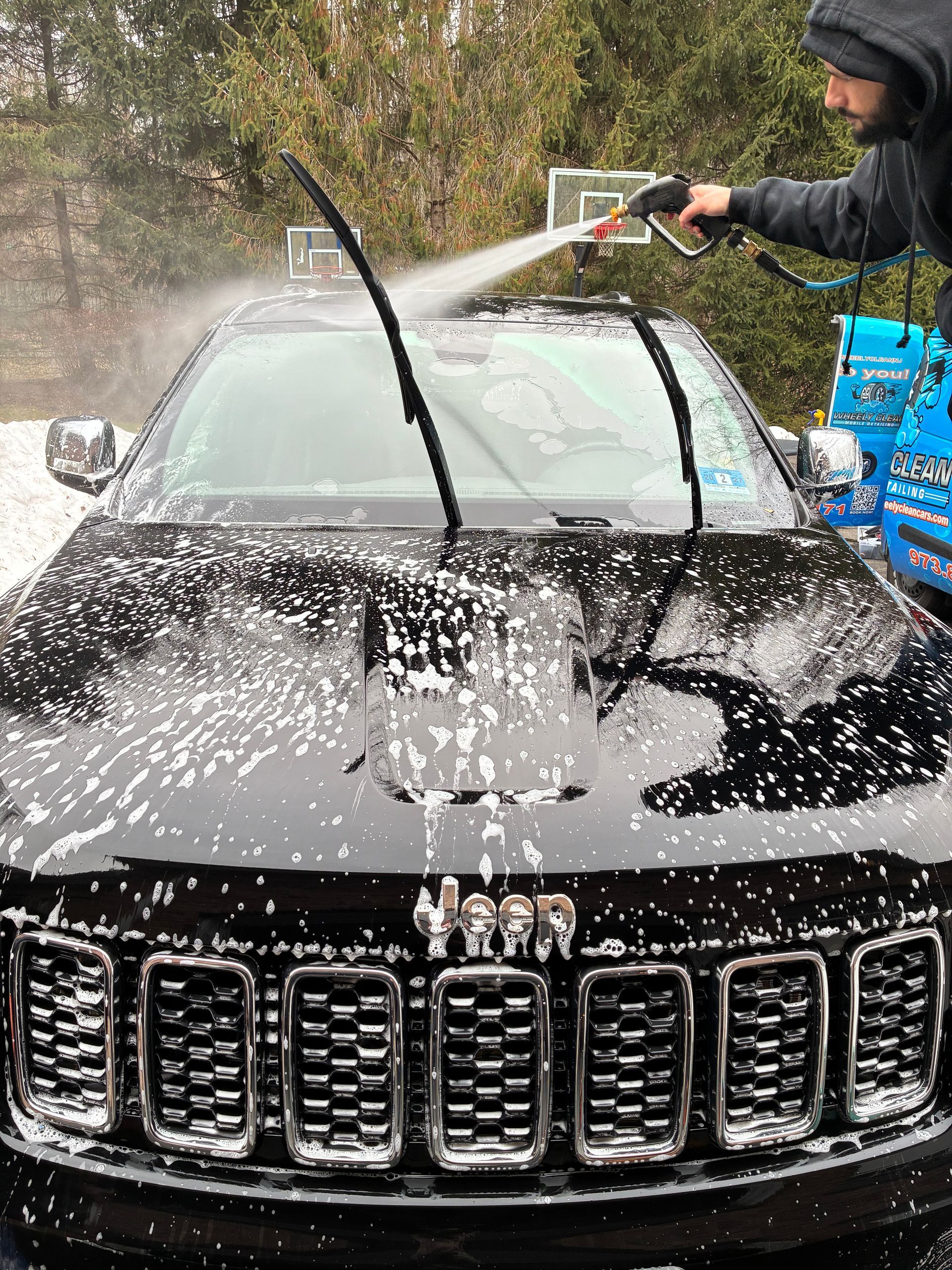
Left alone, salt speeds up corrosion, and rust usually starts underneath and out of sight, so the damage is well underway before anyone notices it. After a stretch of snowy commutes around Morris County or through Parsippany and Morristown, flushing the underside of the car matters as much as cleaning the paint. This is not only about appearance. It is about protecting the vehicle itself.
Summer Heat and Sun
Summer brings a different problem. Temperatures across North Jersey climb well into the 90s, and long hours in direct sun speed up paint oxidation, the breakdown of clear coat and pigment that leaves a finish looking dull and chalky.
Interiors take the same beating. Dashboards crack under UV exposure, leather dries out, and cloth upholstery fades unevenly, which ages a vehicle faster than the mileage does.
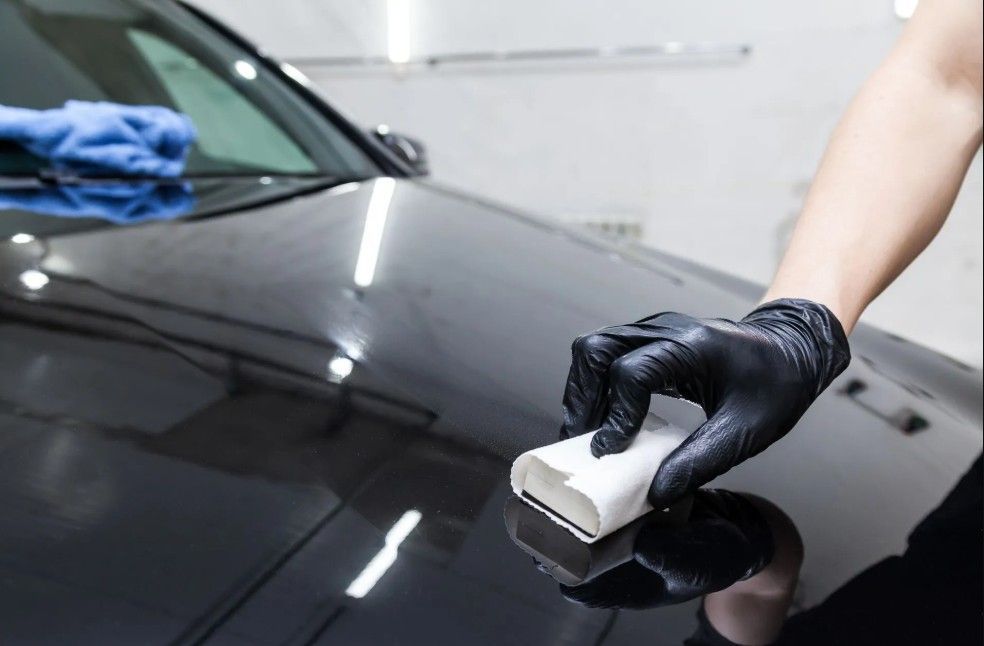
Protecting against summer damage comes down to consistent washing paired with a protective layer. At Wheely Clean Detailing in Whippany, NJ, our ceramic coating gives paint a durable barrier that resists UV and makes dirt far easier to remove. That is a real advantage for cars parked outside every day in towns like Summit, Livingston, and Montclair.
Seasonal Detailing Tips for Winter and Summer
Winter care starts underneath. Rinsing the undercarriage regularly after driving salted roads strips away residue before it has time to work into metal. A protective layer applied before the cold sets in helps as well, giving paint a barrier against salt spray and moisture instead of leaving it exposed.
The rubber seals around doors and windows deserve attention too. Cold dries them out and they crack, which leads to leaks and drafts. A silicone based treatment keeps them flexible through freezing temperatures.
Summer shifts the focus to UV protection. Products with UV blockers slow the oxidation that turns paint chalky, and a windshield sunshade lowers cabin temperatures enough to make a noticeable difference for dashboards, leather, and plastic trim.
Washing frequency matters more in warm months as well. Tree sap, bird droppings, and insect residue are acidic or sticky enough to etch paint quickly in the heat, and once the marks set they can be permanent. Inside the cabin, a UV protectant on the dash, door panels, and seats helps preserve color and texture.
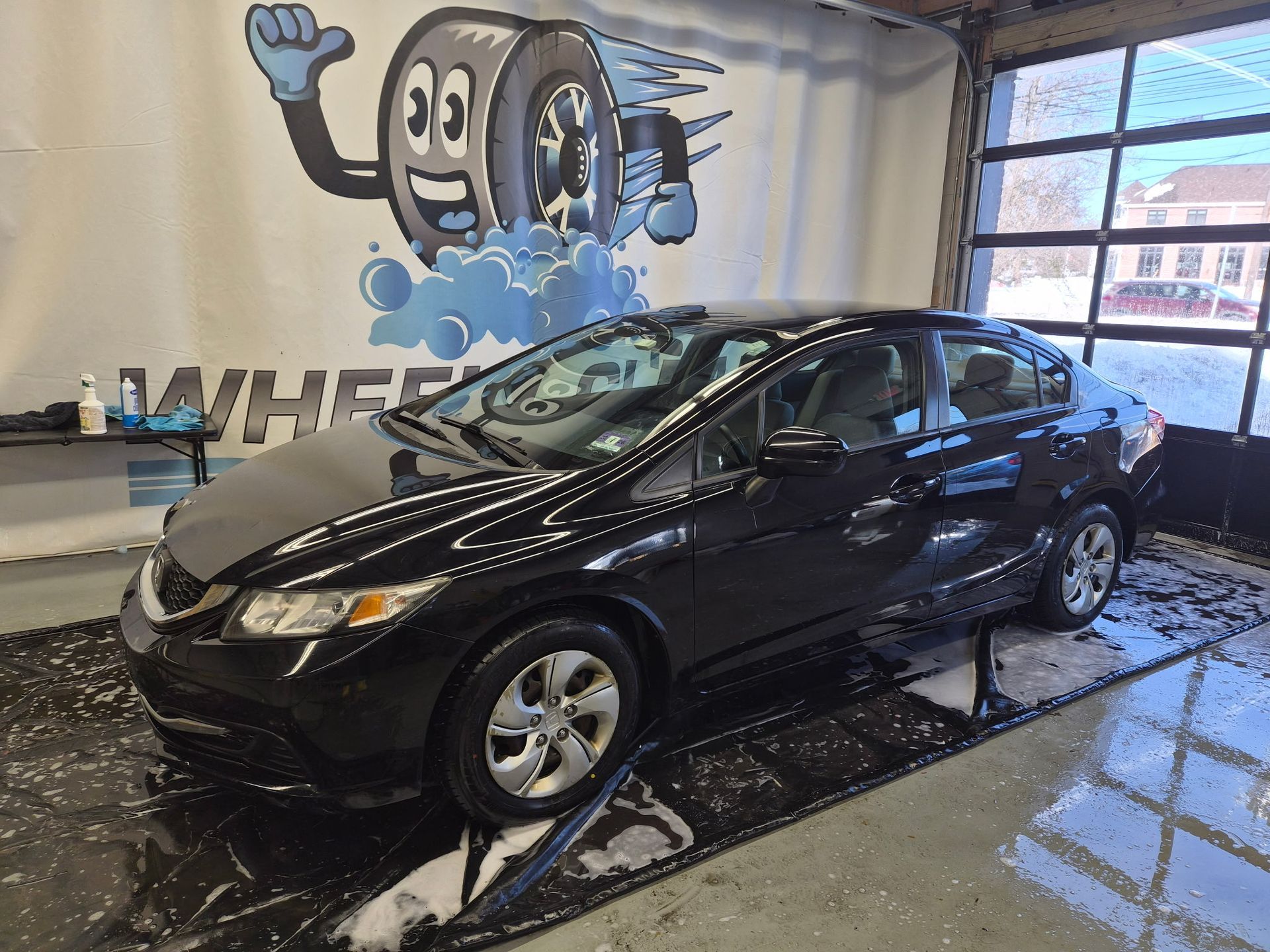
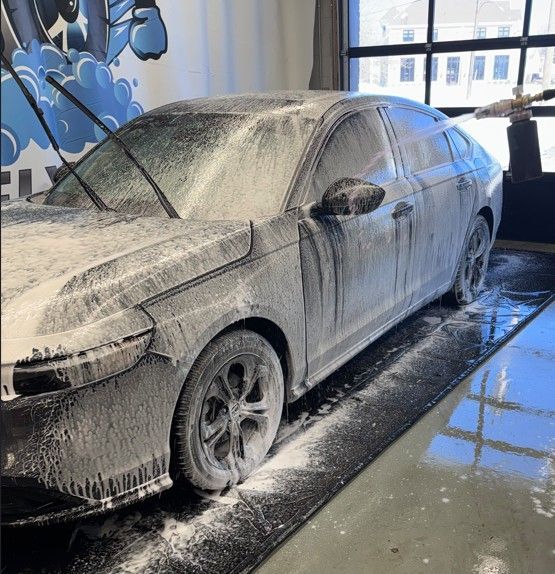
How Often Should You Detail Your Car?
The right interval depends on how much you drive and where the car sits.
Daily drivers parked outside: every 3 to 4 months. This keeps you ahead of the salt and grime that build up fast in winter and the pollen and dust that arrive in spring.
Garage kept or occasional use vehicles: about every 6 months. Cars that are not exposed constantly simply do not accumulate contamination as quickly.
Luxury, show, and enthusiast vehicles: every 2 to 3 months. Delicate finishes and premium interiors need closer attention, and shorter intervals mean minor defects get corrected before they set in and protective coatings stay effective.
A calendar is a starting point, not a rule. Water no longer beading on the paint, a finish that looks flat in daylight, or an odor that lingers in the cabin are all signs a detail is due, whatever the schedule says.
Driving conditions matter too. Stop and go traffic exposes a vehicle to more airborne pollutants and brake dust, while back roads bring mud and dust.
If you are not sure where to start, book a detail quarterly and adjust based on how long the results hold. Waiting until problems are severe usually means more involved work later, including paint correction or heavy interior cleaning, rather than straightforward maintenance.
The Services That Keep Your Car Protected
Interior detailing. This is more than a vacuum. We deep clean seats, carpets, floor mats, the dash, console, door panels, and the tight spots where dust and crumbs collect. It matters most through New Jersey winters, when salted slush gets tracked in and works into carpet fibers.
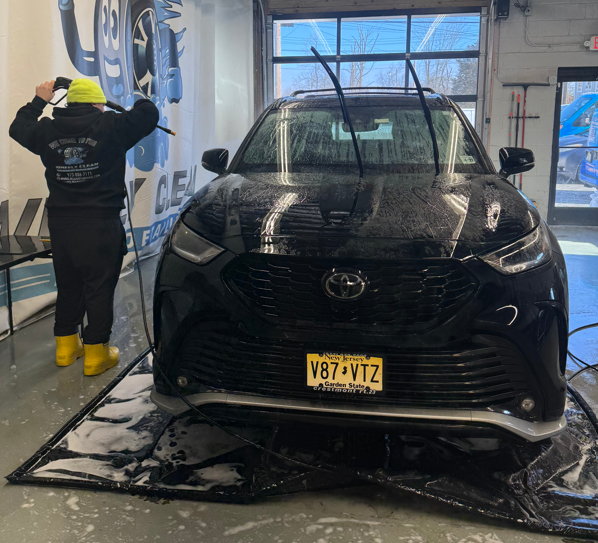
Exterior detailing. A safe wash that lifts dirt without marring paint, plus cleaning of the wheels, tires, and glass so the finish looks clean and streak free up close, not just from the curb.
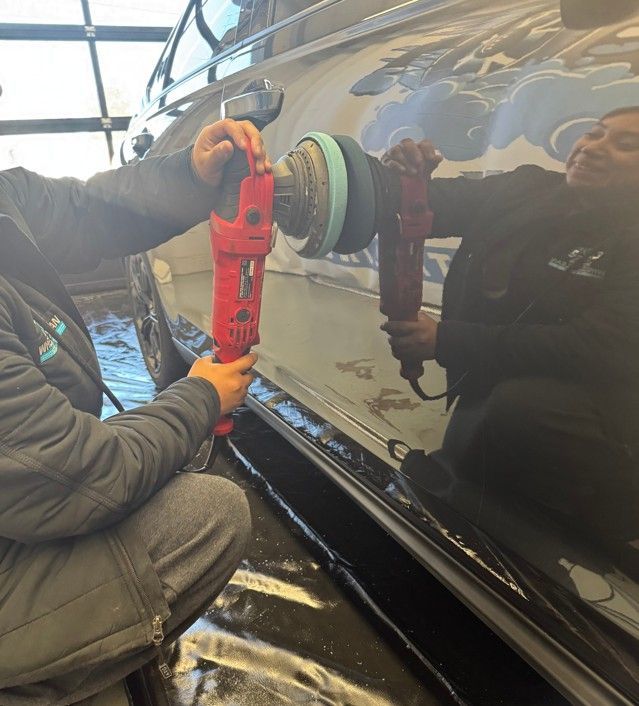
Paint correction. Machine polishing that removes swirl marks, light scratches, and haze left behind by automatic car washes and road debris, bringing back clarity and depth in the finish.
Ceramic coating. A longer lasting protective layer that repels water and dirt, holds gloss, and makes future cleaning easier. For vehicles that live outdoors through New Jersey winters and summers, this is the most practical protection available.
Motorcycle detailing. Bikes collect road film, bug splatter, and brake dust on chrome, forks, and fairings. We clean the paint, chrome, wheels, and the areas that are easy to miss.
Simple Habits Between Details
A few small habits stretch the results of a professional detail.
Check tire pressure every couple of weeks, especially as temperatures drop. Cold weather pulls pressure down quickly, which affects traction, fuel economy, and tire wear on Morris County roads.
Switch to rubber floor mats through snow and rain season. They catch the salt and slush that would otherwise stain carpet and leave odors behind. Swap them back in spring and vacuum regularly.
Keep a small vacuum and a few microfiber cloths in the car so quick cleanups after snacks or a muddy weekend never turn into a project.
What to Look For in a Detailing Service
Not every detailing package is the same. Some cover surface cleaning only, while others include paint correction and ceramic coating, which do more to protect resale value over the long run.
Licensing and insurance are worth confirming before you hand over your keys. Wheely Clean Detailing is fully licensed and insured, so your vehicle is covered while it is in our care.
Reviews are useful for what they reveal about consistency and communication. Look for clear pricing, a clear scope of work, and realistic timelines.
Convenience counts as well. Mobile detailing removes the trip and the wait entirely. We run two fully equipped mobile units across North Jersey and also handle work at our Whippany shop when a service calls for a controlled environment.
Why Regular Detailing Pays Off
Consistent detailing protects resale value. Buyers read a clean, cared for vehicle as a well maintained one, and cracked leather, faded paint, and stained carpet all pull the price down. It also changes the daily experience, since clean glass and mirrors improve visibility and a fresh cabin makes every commute more pleasant.
Most of all, it removes the salt and grime that cause real damage before it reaches the point of expensive repair. Occasional washes do not keep up with New Jersey conditions.
Ready to Get Your Car Back to Looking Its Best?
Whether your car needs a full reset after winter, a ceramic coating before summer, or a regular schedule you never have to think about, we make it simple. We bring everything to your home or workplace, or you can bring the vehicle to our shop in Whippany.
Wheely Clean Detailing serves Whippany, Parsippany, Morristown, Madison, Livingston, Summit, Montclair, Basking Ridge, and towns throughout North Jersey. Call 973-886-7171 or request a free quote, and we will help you choose the right service for your vehicle.
Frequently Asked Questions
How does New Jersey weather affect how often I should detail my car?
Winter and summer drive the schedule. Road salt promotes corrosion on the undercarriage and lower body panels, while summer sun accelerates paint oxidation and dries out interior surfaces. Most drivers in North Jersey land on a detail every 3 to 6 months, with the shorter end of that range making sense if the car is parked outside year round.
Should I detail more often in the winter?
Yes, or at least wash more often. A full detail every 3 to 4 months still works for most drivers, but rinsing salt off the paint and undercarriage between details is what actually prevents corrosion. A protective layer applied before winter also makes salt and moisture easier to keep off the finish.
Does regular detailing really help resale value?
It helps in a practical way. Buyers and appraisers respond to condition, and cracked leather, faded paint, water spotting, and stained carpet all count against a vehicle. Regular cleaning and protection keep those problems from developing in the first place.
Is mobile detailing as thorough as detailing at a shop?
For most services, yes. Our mobile units carry their own water, power, and equipment, so the work is the same quality wherever we do it. Some services benefit from a controlled environment, and for those we recommend our Whippany shop.
How long does a ceramic coating last?
It depends on the product used, how the vehicle is stored, and how it is maintained afterward. A coated car parked in a garage will hold up longer than one that sits outside through New Jersey winters. We will walk you through what to expect for your vehicle before any work starts.
What is the difference between a car wash and a detail?
A wash cleans the surface and improves how the car looks for a short time. A detail addresses the buildup underneath, in the seams, vents, cracks, and carpet fibers where dirt and odors settle, and it includes protection for the finish. The results last considerably longer.
How often should I have my interior detailed if I have kids or pets?
More often than average. Most drivers do a full interior detail a few times a year, but with car seats, spills, pet hair, or a long commute, every 3 months is more realistic, with lighter cleanups in between.
Do you detail motorcycles?
Yes. We clean the paint, chrome, wheels, forks, and the hard to reach areas where road film and brake dust collect, on cruisers, sportbikes, and smaller bikes alike.
Recent post